

Damilola Oyetunji
Content Writer at Chatway.


Quickly respond to customer and visitor inquiries via live chat
Personalize the chat widget to match your business's style and branding
Stay updated on all incoming messages with email and push notifications
Improve the way your team works with chat assignments and private notes
Provide support on the go with Chatway's mobile apps for iOS and Android devices
Categorize and label conversations using specific criteria for personalized support
Interact with visitors in their preferred language, supporting 20+ languages
Use Chatway live chat on multiple platforms such as Shopify, Wix, Duda etc
Get insights into your support activities to better understand customer interactions
Centralize chats from Messenger and email into a single dashboard
All,Customer Service - 7 Mins READ

Content Marketer
If you’re looking to excel in the competitive world of SaaS, one of the most important factors to focus on is customer support. Providing excellent customer support can be a game-changer for your business, and it can help you advance your company’s goals in numerous ways.
Customer support is an essential component of any SaaS business. It is the key to building trust and maintaining long-term relationships with customers. In this piece, we will discuss the importance of SaaS customer support and how it can impact your business.
SaaS customer support is important because it is often the only point of contact between a customer and a company. It’s the heartbeat of the company. Customers expect quick and effective support when they encounter issues with your software. If your customer support is lacking, it can lead to negative reviews, loss of customers, and a damaged reputation.
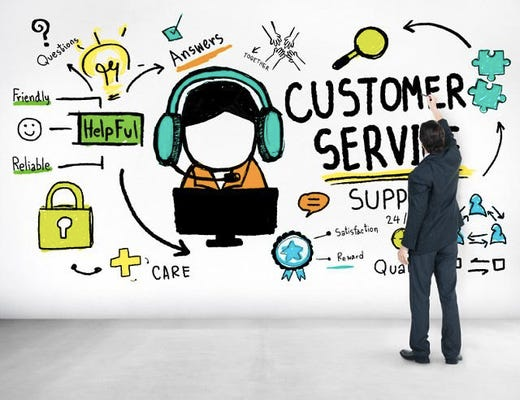
Image Source: Forbes.com
First and foremost, offering exceptional customer support can help you retain customers. In the SaaS industry, where there are often many options for customers to choose from, keeping your customers satisfied and loyal is important. With top-notch customer support, you can build trust with your customers and ensure that they continue to use your product or service over the long term.
Also, investing in customer support can also help you attract new customers. Positive word-of-mouth recommendations from satisfied customers can be a powerful marketing tool, and when customers know that they can count on your company to provide excellent support, they’re more likely to recommend your product or service to others.
Beyond these benefits, focusing on customer support can also help you improve your product or service over time. By listening to customer feedback and responding to their needs, you can gain valuable insights into how to make your offering even better. This, in turn, can help you stay ahead of the competition and continue to grow your business.
While great customer service can help a SaaS company achieve success, the opposite is also true: poor customer service can have a significant negative impact on a business. In fact, customers are more likely to share their negative experiences with others than positive experiences, which can hurt a company’s reputation and bottom line.

Image source: Talkative
One of the most obvious consequences of poor customer service is customer churn. When customers feel like their needs aren’t being met or their concerns aren’t being addressed, they’re more likely to cancel their subscription or switch to a competitor. This can lead to lost revenue and a smaller customer base, which can make it harder for the company to achieve its goals.
Poor customer service can also damage a company’s brand reputation. In today’s interconnected world, frustrated customers can leave negative reviews and comments that can quickly spread on social media and review sites, potentially deterring potential customers from using the company’s products or services. This can be particularly damaging in the SaaS industry, where reputation and word-of-mouth recommendations are key to success.
To provide high-quality SaaS customer support, you need to follow certain best practices that’ll make you stand out from the crowd.
Responding quickly to customer inquiries is essential. Customers expect fast responses to their questions and concerns. If you take too long to respond, it can lead to frustration and a negative customer experience.

Offering multiple channels for customer support can help you provide a better customer experience. Customers have different preferences when it comes to communication, so offering phone, email, live chat, and social media support can help you reach more customers.
Personalizing your responses can help you build rapport with your customers. Addressing customers by name and tailoring your responses to their specific needs can help you build long-term relationships with your customers.
Using automation can help you provide faster and more efficient customer support. Automating simple tasks like password resets and account changes can free up your support team to focus on more complex issues.
Empowering your support team with the right resources can help them provide better customer support. Providing them with modern, updated tools and resources – CRM, live chat apps, knowledge base etc, – that they need to do their job effectively can help them resolve issues more quickly and effectively.
Setting clear expectations for response times, issue resolution, and escalation processes can help manage customer expectations and prevent frustration. Make sure your customers know what to expect when they reach out to your support team.
Receiving customer feedback can help you understand your customer’s needs and identify areas for improvement. Use surveys or other feedback mechanisms to gather insights into your customer’s experiences with your product and support team.
Providing regular training to your support team can help them stay up-to-date on product updates, best practices, and new technologies. This can help them provide better support to your customers and improve their overall performance.

This data can help you identify potential issues or areas for improvement. Use tools to monitor conversations across multiple channels to identify trends, common issues, or opportunities to improve your customer support.
Offering self-service options like a knowledge base, FAQ section, or community forum can help customers find answers to common questions without needing to contact your support team. This can improve efficiency and reduce the workload on your support team.
Remember that every SaaS company is different, so it’s important to experiment with different support strategies to find what works best for your customers and your business.
In addition to best practices, there are also specific strategies you can use to provide successful SaaS customer support. Let us discuss some of these strategies.
Addressing customer issues before they escalate to an uncontrollable level can help you provide a better customer experience. Monitoring customer behaviour and reaching out to customers before they encounter issues can help you address problems before they become major issues.
Collecting customer feedback is a best practice in this industry as well as a great strategy for refining your customer service efforts. It can help you identify specific areas for improvement in your customer support. Soliciting feedback through surveys, social media, and other channels can help you understand what your customers need and how you can better meet their needs.
Most customers already feel connected to your saas business, and they’d like that feeling to be reciprocated through effective customer service. Provide a space for collaboration in your support services. Collaborative support involves working with your customers to resolve issues. This can involve providing resources like knowledge bases and forums, as well as working with customers to troubleshoot issues.
Want to impress your customers and increase your churn over a long period? Work on improving your services continuously. Regularly analyzing customer feedback and support metrics can help you identify areas for improvement and make necessary adjustments to your support strategy. This can help you stay ahead of customer needs and provide the best possible customer experience.
To ensure that you are providing high-quality customer support, it’s important to measure your performance. What are some key metrics you can use to measure your SaaS customer support?
Quick response times show your customers that you care about them as much as you care about your business. This is a critical metric for SaaS customer support, as customers expect quick responses to their questions and concerns. Focus on replying within 15- 30 minutes of a message, if you have many hands on your support team. Include automated responses to help speed up your response times.
Resolution time is the amount of time it takes to resolve a customer issue. This metric is important because it can help you identify bottlenecks in your support process and make necessary adjustments to improve efficiency. Take notes of areas that need improvement and learn to use tools and resources that can accelerate your resolution time.
This measures the percentage of customer issues that have their issues resolved on the first contact. This metric is important because it can help you identify areas where your support team may need additional training or resources.

Image source: AZ Big Media
Customer satisfaction is a measure of how satisfied your customers are with your support. This metric is typically measured through surveys or other feedback mechanisms and can help you identify areas for improvement in your support strategy.
Your Saas business has invested so much time and effort in producing a useful and efficient product. Its success shouldn’t suffer because of poor saas customer support.
Focus on following the best practices mentioned above, and implementing effective strategies, so you can provide high-quality customer support and build long-term relationships with your customers.
Remember to continuously measure your performance through key metrics; identify areas for improvement and continuously improve your support strategy to meet the evolving needs of your customers.