




Damilola Oyetunji
Content Writer at Chatway.


Quickly respond to customer and visitor inquiries via live chat
Personalize the chat widget to match your business's style and branding
Stay updated on all incoming messages with email and push notifications
Improve the way your team works with chat assignments and private notes
Provide support on the go with Chatway's mobile apps for iOS and Android devices
Categorize and label conversations using specific criteria for personalized support
Interact with visitors in their preferred language, supporting 20+ languages
Use Chatway live chat on multiple platforms such as Shopify, Wix, Duda etc
Get insights into your support activities to better understand customer interactions
Centralize chats from Messenger and email into a single dashboard
All,Customer Service,Live Chat - 8 Mins READ

Content Marketer
Small businesses don’t always have the luxury of multiple choices when it comes to making decisions that affect their bottom line. Be that as it may, it is still important to provide exceptional service in a competitive marketplace, especially if they want to scale their business.
Customer service is a huge part of any business’s success and it holds even more significance for small businesses. Small businesses have the advantage of being nimble and personalized in their interactions, making it easier to deliver outstanding customer experiences. This is possible through live chat.
Live chat support plays a vital role in enhancing customer satisfaction. It provides customers with an instant connection to a support representative, reducing response times and improving issue resolution rates. The availability of live chat also boosts customer trust and confidence in a brand, leading to increased loyalty and repeat business.
Many companies are now incorporating live chat support as an effective means of engaging with their customers. However, the decision of whether to outsource live chat support or keep it in-house can significantly impact a company’s efficiency, cost-effectiveness, and customer satisfaction.
In this article, we will explore the advantages and disadvantages of both outsourcing and in-house chat support to help you make the right choice for your small business.
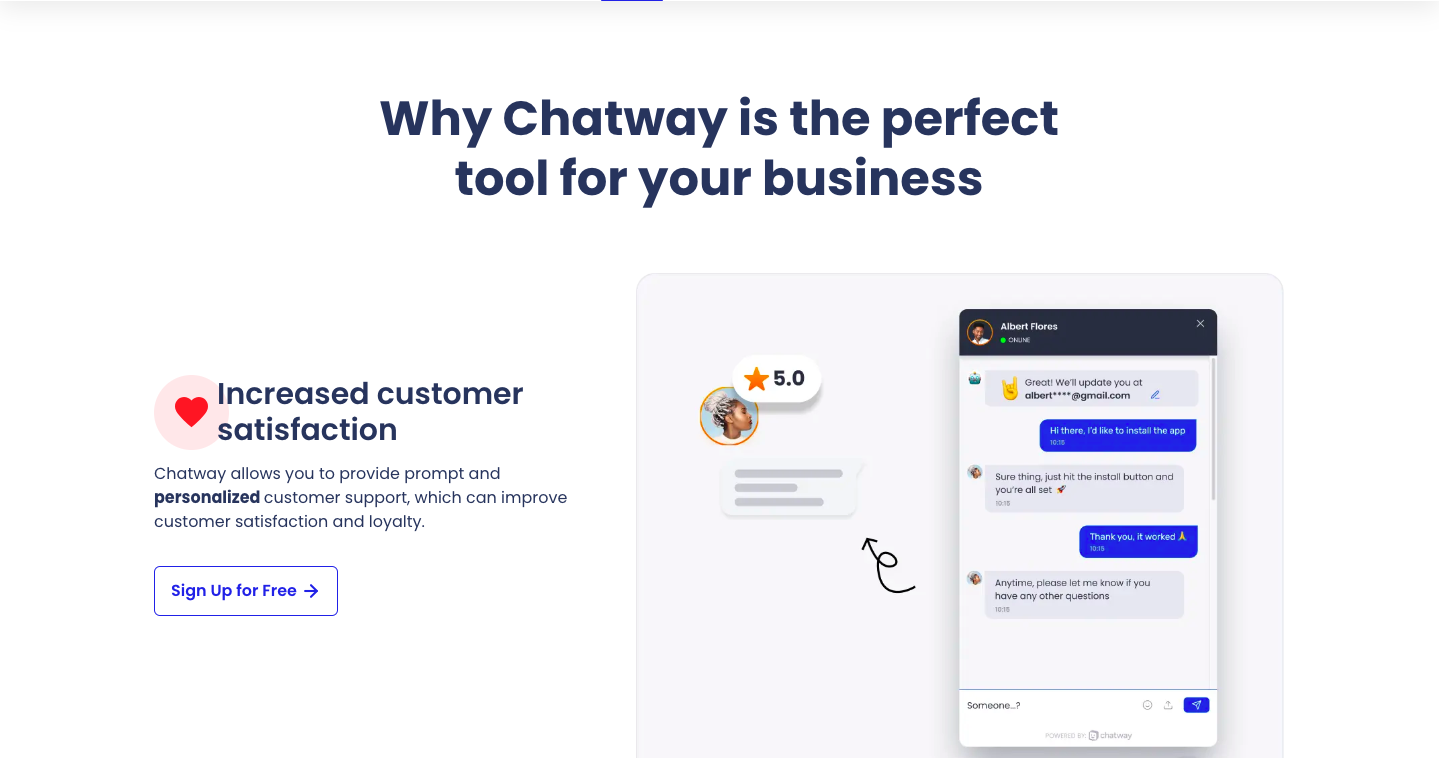
In-house chat support for a small business involves having a dedicated team of support agents located within the company’s premises to handle customer inquiries, issues, and requests through live chat channels.
Unlike outsourcing, where the chat support function is delegated to an external service provider, in-house chat support keeps the entire process under the direct control and supervision of the company itself.
This approach to customer support offers several benefits tailored to the specific needs and scale of a small business.
An in-house support team allows small business owners to closely monitor and manage the quality of customer interactions. Having an in-house chat support team allows for direct and personalized interactions with customers.
The support agents work closely with the company, understanding its products, services, and values. This familiarity enables them to deliver more personalized and relevant responses, enhancing the overall customer experience.
Where there’s a need to update and align customer service processes, this can be done quickly via emails, messages or simply speaking to an in-house agent.
In-house support agents become an integral part of the company’s workforce, leading to better alignment with the brand’s values and tone of communication.
This results in consistent brand representation throughout customer interactions, reinforcing the company’s image and reputation.
The knowledge base, databases, and internal resources of the small business are all easily accessible to in-house customer support agents. They are now able to respond quickly and accurately to client inquiries because of the ease with which they can acquire relevant data. Customers benefit from quicker and more effective responses from the support team.
It’s easier for in-house support personnel to get to know their consumers on a personal level. Especially when they understand how the product or service can be beneficial to their specific needs.
With this information in hand, they may personalise their interactions with customers based on their unique tastes and past experiences. Better relationships with customers and higher levels of satisfaction are the results of personalised service.

It can be costly for businesses to maintain an in-house chat support crew. Recruitment, training, salary, perks, and the required infrastructure and technology are all factors in the total price tag of managing an in-house team. These costs might be especially daunting for small companies with little funds.
There is no guarantee that round-the-clock availability is possible with in-house support. Depending on the company’s operational hours, customers might not have access to chat support during off-hours, leading to potential dissatisfaction or missed opportunities for engagement.
As a company grows, so does the demand for customer support. Scaling an in-house support team can be complex and time-consuming, especially during periods of rapid expansion. Hiring and training new agents to meet increased support demands may pose challenges.
Finding qualified candidates who possess the right skills and fit the company’s culture can be time-consuming. Also as chat volume increases, the existing infrastructure and technology may need upgrades to handle the load efficiently.
Outsourcing live chat support has become a popular choice for businesses seeking to streamline their customer service operations while minimizing costs and maximizing efficiency.
In this section, we will delve deeper into the advantages and disadvantages of outsourcing this critical aspect of customer support.
Recommended Read: Online Customer Support: Are You Doing it Right?
One of the primary reasons companies opt for outsourcing is cost-effectiveness. By partnering with a third-party provider, businesses can avoid the expenses associated with hiring and training in-house support agents.
Outsourcing allows companies to access skilled professionals at a fraction of the cost, making it an attractive option, especially for startups and small businesses with limited budgets.
Customer support needs often extend beyond regular working hours. With outsourcing, companies can ensure round-the-clock availability of live chat support. This 24/7 coverage caters to a global audience and accommodates customers in different time zones, increasing customer satisfaction and loyalty.
As businesses grow, their support requirements may fluctuate. Outsourcing offers a flexible solution to address this challenge. Companies can easily scale their support operations during peak seasons or periods of rapid growth, without the need to hire and train additional staff.

Outsourcing live chat support means relinquishing some level of control over how customer interactions are managed. Companies must carefully choose a reliable and competent outsourcing partner to ensure that their brand image and values are accurately represented during customer engagements.
Language barriers and cultural differences can lead to communication challenges between the outsourced support team and customers. Misunderstandings may occur, potentially affecting the quality of service and customer satisfaction.
Sharing customer data with a third-party provider raises data security concerns. Companies must ensure that the outsourcing partner adheres to robust security measures and complies with data protection regulations to safeguard sensitive information.
While outsourcing offers many benefits, companies become dependent on the performance and reliability of their chosen partner. If the outsourcing provider experiences operational issues or fails to meet service level agreements, it could negatively impact the company’s customer support reputation.

When it comes to choosing between outsourcing live chat support and keeping it in-house, careful consideration of various factors is essential to make the right decision for your business.
Both options have their merits and drawbacks, and understanding your specific needs will guide you towards the best choice.
One of the primary considerations is your budget. Evaluate the financial resources available for customer support and weigh the costs associated with both in-house and outsourced solutions. While in-house support may offer more control, it can also be more expensive due to recruitment, training, salaries, and infrastructure expenses. On the other hand, outsourcing can lead to cost savings, as you won’t need to invest in hiring and training new staff. Carefully assess which option aligns better with your budget constraints.
The size and scale of your business can significantly impact your decision. Larger companies may find it more feasible to maintain an in-house support team as they have the resources to handle the associated costs. In contrast, smaller businesses or startups might benefit from outsourcing, as it provides access to a professional support team without the same financial burden.
Consider the complexity of customer queries and the level of support your products or services require. In-house support teams have direct access to internal resources and knowledge base, which can be crucial for addressing intricate issues promptly. If your business deals with technical or specialized products, an in-house team may be better equipped to provide the necessary assistance. On the other hand, if your support needs are relatively straightforward and repetitive, outsourcing might be a more cost-effective option.
Think about the scalability of your support strategy as your business grows. In-house teams may face challenges in scaling up during periods of rapid expansion. On the other hand, outsourcing allows you to easily adjust the level of support needed, whether it’s during peak seasons or continuous growth. Consider the long-term implications of your decision and how well each option aligns with your company’s growth goals.
When outsourcing chat support, you will be entrusting external agents with representing your brand. Pay close attention to the cultural and language understanding of the outsourced team. Miscommunication or a lack of cultural sensitivity can impact customer satisfaction and harm your brand’s reputation. Choose a provider with agents who can effectively communicate with your target audience and understand your brand’s values.
Ensure that the outsourcing provider follows robust security measures and complies with data protection regulations. Data security is paramount, and you must be confident that your customers’ sensitive information will be handled with the utmost care and confidentiality.
Ultimately, the goal of live chat support is to enhance the overall customer experience and satisfaction. Analyze how each option can contribute to achieving this goal. Consider response times, issue resolution rates, and customer feedback. Your decision should prioritize providing excellent support and building strong customer relationships.
Choosing between outsourcing live chat support and keeping it in-house depends on various factors, such as budget, business size, and the complexity of support required.
Your small business could benefit from either option if you consider the many factors that we’ve outlined. More so, you can scale your business using either option with Chatway.
Remember, the decision should align with your company’s specific needs and long-term goals to ensure the best customer support experience.
Content Writer at Chatway.

Content Writer at Chatway.

Live Chat - 7 Mins READ
Content Writer at Chatway.